One of One: Meet the American Seamstresses Sewing the Lolita Dresses Money Can't Buy
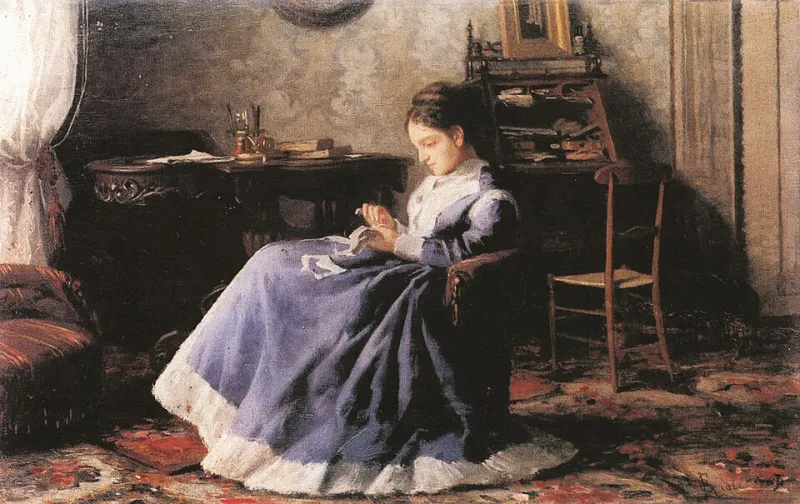
Photo: Francesco Gioli, Public domain, via Wikimedia Commons
There's a moment at every lolita meetup that follows the same script. Someone walks in, the room goes quiet, and the first question is always the same: "Wait, where is that from?"
Nine times out of ten, the answer isn't Angelic Pretty or Moi-même-Moitié. It's "a woman in Ohio sewed it for me."
Welcome to America's lolita commission economy — a loose, largely word-of-mouth network of independent seamstresses and small studios who build custom pieces for buyers who can't find their dream dress on a rack, because it doesn't exist on one.
Who's Behind the Sewing Machine
The makers are a surprisingly varied bunch. Some are retired home-ec teachers in their sixties who discovered lolita through a granddaughter. Others are thirty-something cosplayers who pivoted from convention costumes to dailywear when they realized frills paid better than capes. A handful run actual micro-studios with waitlists stretching into next year.
What they share is a very American streak of practicality. Unlike the big Japanese brands, a commission seamstress can adjust a sleeve, lengthen a hem, or cut a bodice for a 46-inch bust without blinking. For plus-size lolitas, tall lolitas, and anyone whose proportions fall outside sample sizing, that flexibility isn't a luxury — it's the whole point.
"Half my clients come to me after being burned by 'one size fits most,'" one Midwest-based maker told us. "I take their measurements and I build around them, not around a pattern block."
How Pricing Actually Works
If you've never commissioned a garment, the sticker shock is real. A custom one-piece from a reputable US seamstress typically runs $250 to $600 in materials and labor, with heavily detailed headdresses, boned bodices, or hand-beading pushing higher.
Here's the rough math most makers follow:
- Materials: Quality fabric alone — cotton twill, satin, tulle for the built-in petti — often runs $60–$150.
- Labor: A single OP can take 20 to 40 hours. Commissioned work is real wages, not hobby pricing.
- Overhead: Pattern drafting, muslins, machine maintenance, and shipping all get baked in.
Most makers require a 30–50% deposit upfront, with the balance due before shipping. Timelines range from six weeks for a simple skirt to six months for an elaborate gown — and if a maker quotes you a two-week turnaround on a full OP, that's not efficiency, that's a warning.
Red Flags Worth Knowing
The commission world is mostly lovely people, but every community has its cautionary tales. Buyers we spoke with flagged a few consistent warning signs:
- No written agreement. Serious makers provide a simple contract covering timeline, payment schedule, and revision limits. Vague DM promises are not a contract.
- Refusing progress photos. A maker who won't share WIP shots until "it's done" is a gamble.
- Prices that seem too good. A $90 custom OP means someone is losing money — usually on your fabric quality.
- No portfolio. You should be able to see finished garments on real bodies, not just renders.
Just as important: check the reverse direction. Buyer blacklists exist in community Discord servers for a reason, and makers talk to each other.
How to Be the Client Everyone Wants
The best commissions are collaborations, not orders. Makers consistently told us the same things make a dream client: clear inspiration photos instead of "you know, that vibe," measurements taken honestly, prompt communication, and patience when life delays a deadline.
And the golden rule — pay on the agreed schedule. "I once had a client ghost me for three months on a final payment while posting new brand hauls online," one seamstress said. "That dress sat in my closet until she paid. It's not spite. It's rent."
Why It Matters
There's something quietly radical about a one-of-one dress in a fast-fashion world. No restock anxiety, no proxy service, no four-month wait from Tokyo — just a conversation between two people about lace placement.
Several buyers told us their commissioned pieces are the ones they'll never sell, the ones they picture keeping forever. One put it simply: "The brand dresses are beautiful. But this one has my measurements and her handwriting on the tag. There's no version of that on a website."
If you've been circling a coord idea that doesn't exist yet, maybe it's time to find your maker. The community keeps a list. Ask around.