From Dealer's Room to Dream Dress: How Anime Cons Built America's Lolita Scene
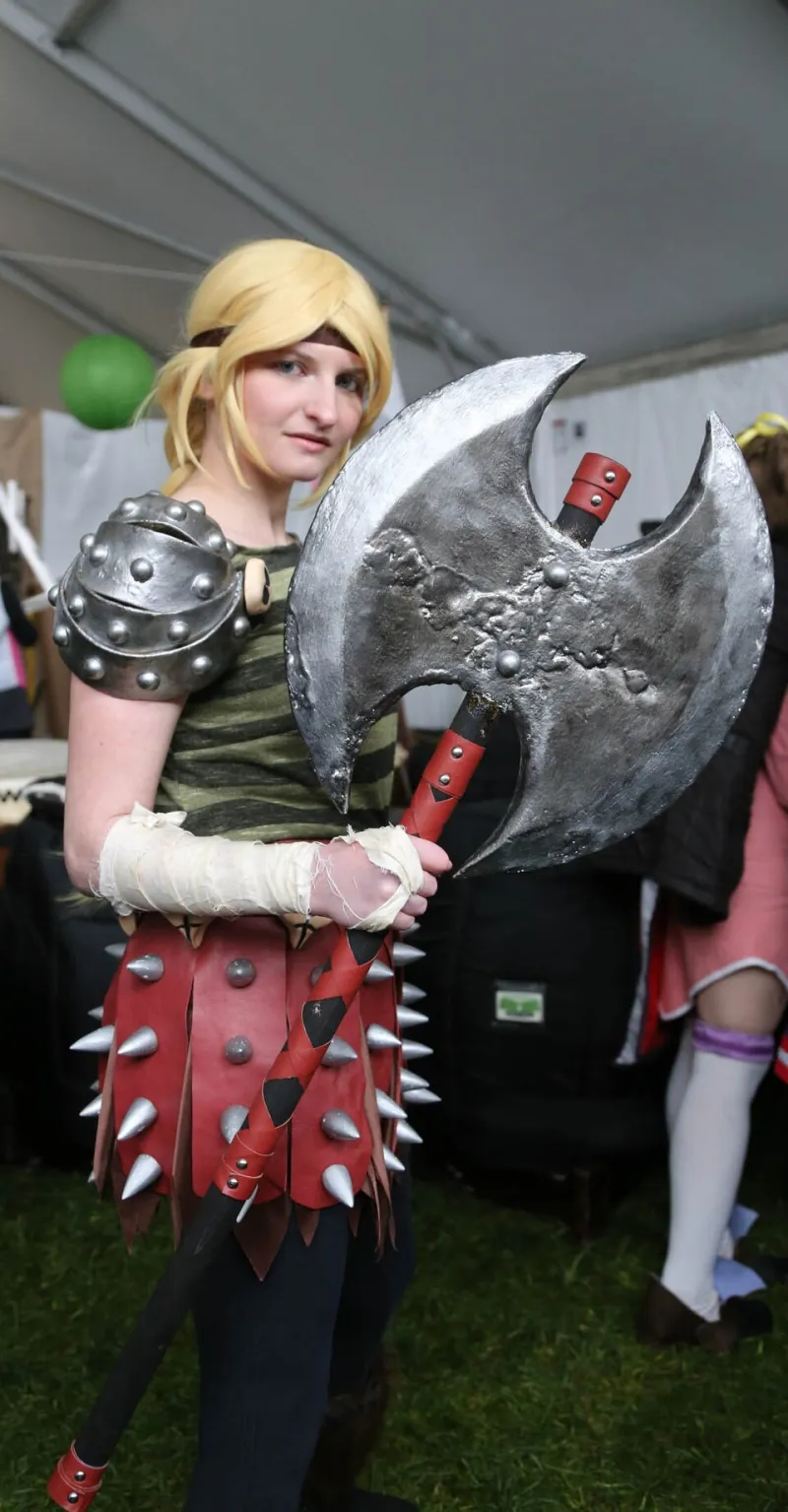
Photo: Richie S, CC BY 2.0, via Wikimedia Commons
Ask any American Lolita over thirty how they found the fashion, and you'll hear the same answer with slightly different details: a convention. Maybe they saw a fashion show at Otakon in the early 2000s. Maybe they spotted a group of frilled strangers posing for photos outside Anime Expo and had to know what it was. Before algorithms and haul videos, the pipeline into Lolita fashion ran straight through the dealer's room.
When the Fashion Landed, Nobody Knew What to Call It
In the early 2000s, the American anime convention scene was exploding, and Japanese street fashion came along for the ride. Gothic Lolita — thanks in part to the visual kei bands and manga of the era — was the style that crossed the ocean first. And conventions, hungry for programming beyond cosplay contests, gave it a stage.
"We had maybe a dozen people in the first fashion show," one longtime Otakon attendee recalls. "Half of us made our own dresses because you couldn't buy them here. We were trading patterns on LiveJournal and praying the hem looked right under the ballroom lights."
That's the part people forget: there was no infrastructure. No stateside shops stocking genuine brand. If you wanted a real Moi-même-Moitié piece, you needed a proxy shopper in Japan, patience measured in months, and a tolerance for risk. Most wearers at those early cons were in handmade or heavily modified thrifted pieces — which, if you've read our thrifting guide, is a tradition that never really died.
The Fashion Show Era
By the mid-2000s, Lolita fashion shows were a fixture at major cons up and down the coasts. They worked because they solved the subculture's biggest problem: visibility. A person might not seek out Lolita fashion, but they'll absolutely stop scrolling — or in those days, stop walking past the main events hall — when a lineup of elaborate coords crosses a stage.
The shows also created the community's first meetups. Fashion show participants needed somewhere to change, so cons started carving out gathering rooms. Those rooms became the first informal Lolita meetups, and many of them outgrew the conventions entirely, spinning off into local comm (community) groups that still meet monthly at tea houses and botanical gardens.
"The con was the gateway, but the comm was the home," says an organizer who ran Lolita programming at Midwest cons for over a decade. "People met at the con, exchanged screen names, and suddenly there was a group chat planning a picnic two states away."
What Changed — and What Didn't
Fast forward to today, and the landscape is almost unrecognizable. Online shops ship direct from Japan in days. Instagram and TikTok mean a newcomer can absorb a decade of styling knowledge in a weekend. You can find your local comm before you ever own a petticoat.
But conventions still matter, and for reasons the internet can't replicate. There's the in-person moment — seeing the volume of a skirt, the weight of the lace, the way a coord moves. There's the Lolita-specific programming: fashion shows, tea parties, panel discussions on silhouettes and substyles. And there's the sheer relief of walking through a convention center and being, for once, one of many rather than one of one.
"I wore Lolita to my first con in 2008 and got asked if I was a maid cosplaying a maid," one wearer told us, laughing. "Now I go to cons and there are dedicated Lolita meetups with forty people, brand swaps, the works. We built this. It just took a while."
Where It's Heading Next
The community's newer members are changing it in ways the founders didn't predict. There's more conversation now about size inclusivity, about the fashion being wearable beyond the con weekend, about substyles beyond sweet and gothic getting their due. Cons are responding — more Lolita programming, more accessible events, more effort to welcome newcomers rather than gatekeep them.
The through-line, though, hasn't changed since those ballroom fashion shows: this is a fashion that spreads by being seen. Twenty years ago, that meant a convention stage. Today it means a stage and a phone camera and a comm meetup and a café photoshoot.
So if you're at your next con and spot a cluster of ruffles by the registration line, go say hi. That's how most of us got here. Somebody said hi first.