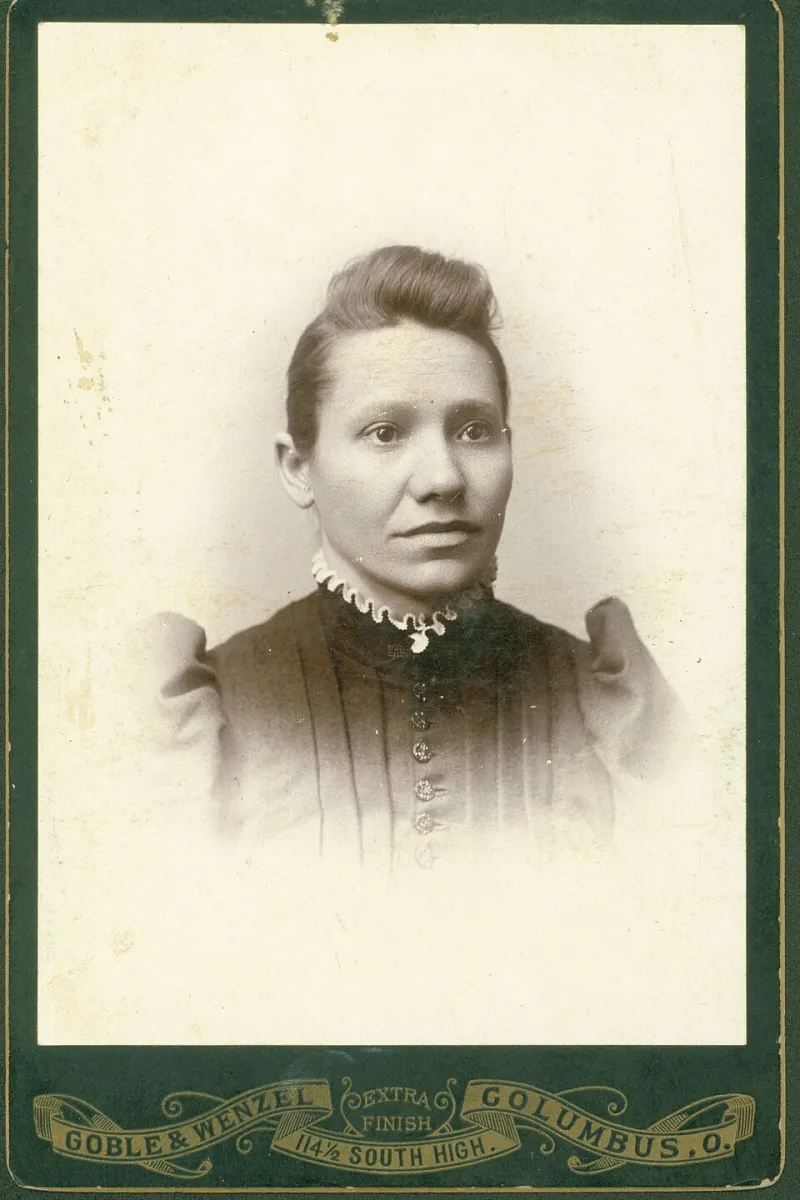
Covered, But Make It Kawaii: Why Lolita Might Be the Most Grandma-Approved Alternative Fashion in America
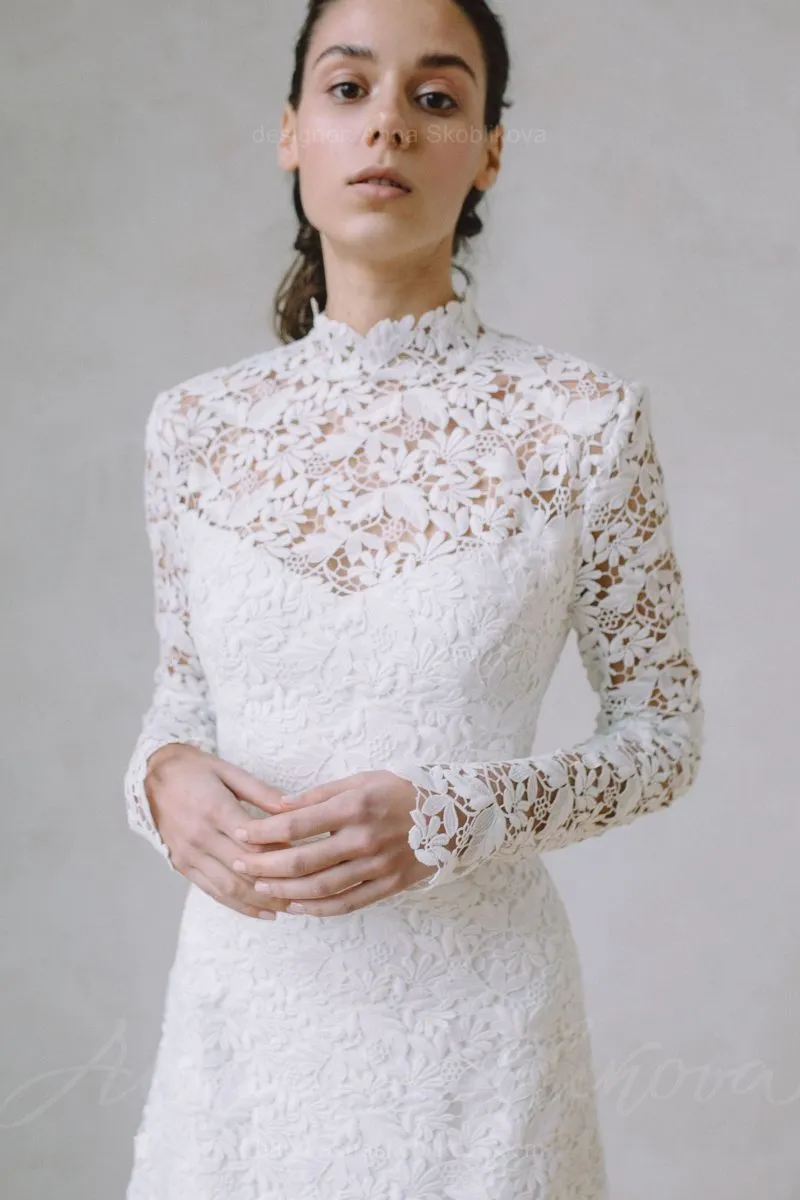
Photo: modest vintage dress with high neckline and lace, classic elegant fashion, via annaskoblikova.com
Here's a scenario that plays out at Thanksgiving tables across the country: you show up in your finest Sweet Lolita coord, and instead of the lecture you braced for, your aunt squints and says, "Well, at least it covers everything."
She's not wrong. While most alternative fashion scenes push hems higher and necklines lower, Lolita has been quietly doing the opposite since the 1970s. And in an era when "modest fashion" is having a genuine American moment — prairie dresses at Target, cottagecore on every feed, church-friendly influencers with seven-figure followings — it's worth pointing out that our frills were there first.
The Accidental Modesty Checklist
Run through what most traditional American households consider "appropriate," and Lolita passes with flying colors:
- Knee-length or longer skirts, usually worn with bloomers underneath anyway
- High necklines, often finished with ribbons, ruffles, or a jabot
- Sleeves — actual ones, sometimes puffed to architectural proportions
- Layering built into the fashion itself, with blouses under JSKs and boleros over everything
- Structured silhouettes that read as "fancy dress" rather than "revealing"
Compare that to the average mall outfit and honestly, a Classic Lolita coord is more covered up than what's hanging in the juniors section at any department store.
Prairie-Core, Meet Petticoat
The modest fashion movement in the US isn't one monolith. There's the cottagecore and prairie-core crowd, drawn to natural fabrics and pioneer-inspired silhouettes. There's faith-based modest dressing across Christian, Muslim, and Jewish communities. And there's the "just prefer coverage" camp, which is bigger than anyone admits.
Lolita slots into all three — it just does it with more lace. A muted-navy Classic JSK with a high-collar blouse would not look out of place at a church potluck in the Midwest. The silhouette language is nearly identical to a modest prairie dress; the difference is tulle, ribbon, and intent.
That's the angle worth leaning into when explaining the fashion to skeptical relatives: this isn't rebellion through exposure. It's a fashion built on the exact values — coverage, craftsmanship, femininity as a choice — that conservative dress codes claim to want. We just added a bonnet.
Styling for Both Worlds
If you're trying to build coords that work at both a tea party and your grandmother's house, here's the playbook:
Start with Classic or Country substyles. Classic Lolita in particular uses longer sleeves, richer fabrics, and muted palettes. A wine-colored velvet JSK reads "holiday formal" to anyone outside the fashion.
Embrace the blouse. High-neck blouses with lace collars are a staple for a reason. Long sleeves in winter, elbow sleeves in summer — you lose almost nothing stylistically by staying covered.
Mind the petticoat, not the skin. Volume, not exposure, is what makes the silhouette. A well-shaped bell petticoat does more for a coord than any amount of leg ever could.
Swap accessories for the venue. The same base coord can go from church-adjacent to full kawaii with a headdress change. Keep the dress classic; let the accessories carry the personality where it's welcome.
Bloomers are your friend. They're period-appropriate, they're practical, and yes — they're exactly the kind of thing your great-grandmother would approve of.
The Opinion Part
Lolita fashion gets dismissed as costume, as impractical, as too weird for real life. But among all the alternative fashions an American teenager or twenty-something could pick up, it might be the single easiest one to wear to Sunday dinner. The hem is where Grandma wants it. The neckline is where Mom wants it. The only fight you're picking is about how much lace is too much lace — and there is no correct answer to that, because there is no such thing.
So the next time someone asks when you'll "dress normally," feel free to point out that you're technically the most conservatively dressed person in the room. Then offer them a cookie shaped like a bear. Modesty and mischief can share a headdress.