Ninety Days of Wanting: What Slow Shipping Teaches Us About Loving Fashion
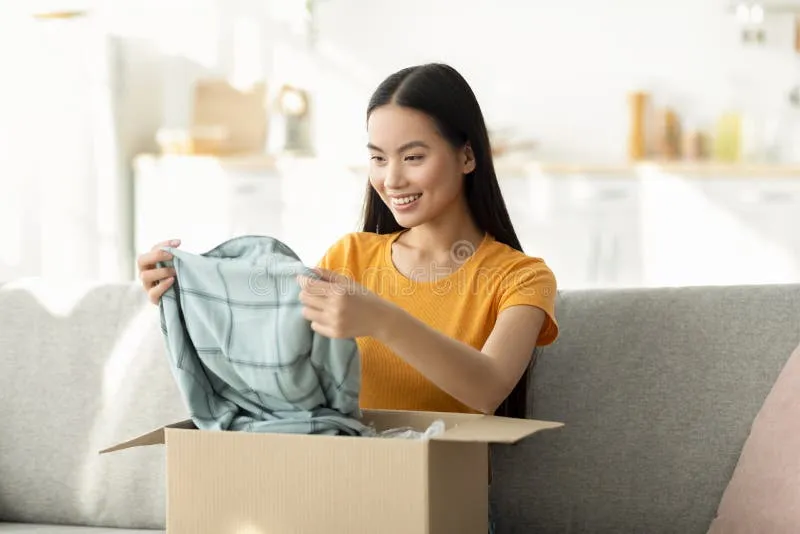
Photo: woman opening package with dress unboxing at home, via thumbs.dreamstime.com
There's a specific kind of screenshot that circulates through every Lolita group chat in America: a tracking number, frozen in transit, somewhere between Tokyo and a nondescript regional sorting facility in Ohio. The caption is always the same energy — it's been in customs for nine days, I'm losing my mind.
And everyone in the chat responds with the same mix of sympathy and envy, because that tracking number means the wait is almost over. The dress is coming.
The Long Good Wait
If you came to Lolita from mainstream fashion, the timeline alone might shock you. We're talking about a hobby where a reservation placed in March might not reach your doorstep in Kansas until June. Shopping services add weeks. Proxy warehouses add more. Add a holiday backlog at any major carrier and you're looking at a full season between I bought it and I'm wearing it.
In the era of Amazon Prime, this sounds like a punishment. But spend any time in the community and you'll notice something strange: nobody actually wants it to be faster.
Part of that is practical. Much of what we buy — especially pieces from Japanese indie brands or Taobao reservations — simply isn't stocked on a shelf anywhere. It gets made when enough people commit. That production model is older than fast fashion and, frankly, better for it. But the practical explanation doesn't capture the whole story.
The Tracking Thread Is a Third Place
Ask around and you'll hear about the ritual of the tracking thread. Someone starts a post when a release ships, and for weeks it becomes a rolling diary of arrival times, customs quirks, and carrier horror stories. People compare notes across states. A laceFront fan in Portland tells a frill newbie in Atlanta that UPS tends to sit on packages in the Northeast, don't panic.
It's a support group, a gossip circle, and a logistics seminar all at once. And here's the thing: it only exists because the wait is long. If the dress arrived in two days, there would be nothing to talk about. The slow boat creates the room; the room creates the friendships.
I've watched people meet their best friends in the hobby through a shared vigil over one shipping container. That doesn't happen with a same-day delivery of a cardigan.
Mail Day, Documented
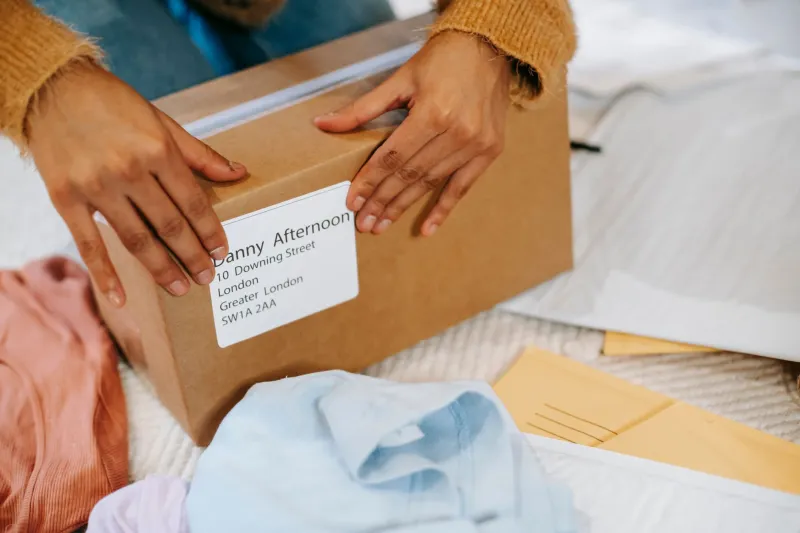
Then comes the main event. Mail day — the day the package finally lands — has its own visual language. A flat lay of the parcel before opening. The tissue paper, the brand tag, the free tape or sticker sheet tucked in by a thoughtful shop owner. The dress held up to the window light. Sometimes a full unboxing livestream, chat scrolling by with congratulations.
These posts aren't humblebrags, or not mostly. They're the final chapter of a story the whole thread has been following. When someone posts their mail day photo, the people who tracked that package alongside them feel a little stake in it. It's here. It fits. It was worth it.
Compare that to ordering a dress from a domestic fast-fashion site. The box shows up, you open it, maybe you snap a mirror pic, and that's the entire emotional arc. There's no arc. There's just a transaction.
Would Instant Shipping Actually Ruin It?
I've asked this question enough times that I can predict the answers. A few people admit they'd love to skip the anxiety — the lost packages, the surprise brokerage fees, the heartbreak of a dress stuck in a flooded warehouse. Nobody's romanticizing the stress of a package marked delivered when it absolutely was not delivered.
But almost everyone, when pressed, lands in the same place: the wait is doing something to the desire itself. Ninety days of wanting changes how you feel about a garment. You research the coord in the meantime. You plan the blouse, the shoes, the headpiece. You imagine where you'll wear it first. By the time it arrives, it's not a purchase — it's a milestone.
Psychologists have a version of this: anticipation is often more pleasurable than the thing itself. Most of us are just used to having that anticipation engineered out of our lives. Lolita hands it back.
Slowness as a Feature
There's a broader lesson hiding in the mail day ritual. Fast fashion trained all of us to treat clothes as content — bought, worn once, posted, forgotten. The three-month wait breaks that loop by force. You cannot impulse-buy your way through a hobby with this timeline. Every acquisition is a decision you live with long enough to actually mean it.
And maybe that's why the community bonds so hard over packages in transit. We're all practicing the same rare skill: wanting something slowly, together.
So the next time your tracking number hasn't moved in a week and the group chat is your only comfort, take it as what it is — not a delay, but the last stretch of the ritual. Order your lace, start your thread, and let the dress take its time. It's coming. And when it does, we'll all be there for the unboxing.