The Blouse Is the Secret Boss of Every Coord
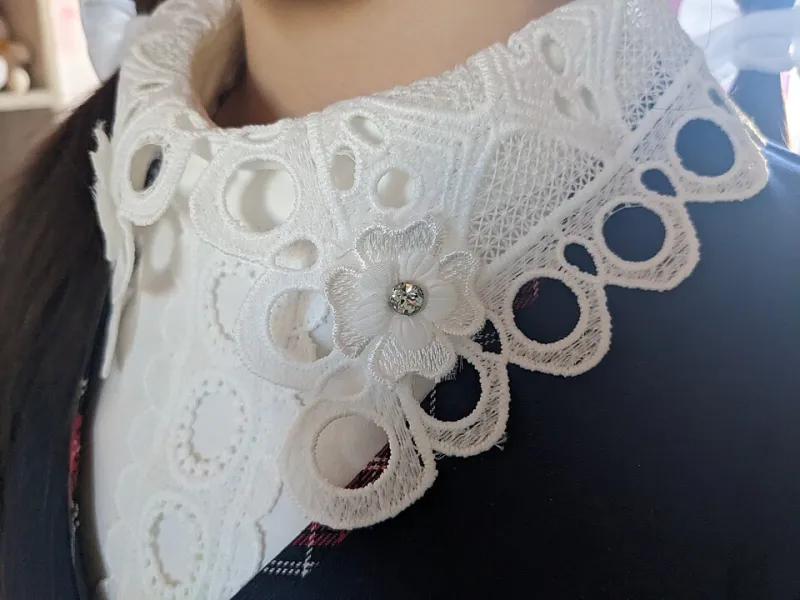
Photo: English: Andrew Krizhanovsky Русский: Андрей Крижановский, Public domain, via Wikimedia Commons
Nobody Photographs the Blouse (But Everybody Feels It)
Scroll through any Lolita community feed and you'll notice something: the dress gets the glamour shots, the shoes get the detail close-ups, and the blouse? It's lucky to appear in a flat-lay. And yet, ask anyone who's been in the fashion for a while and they'll tell you the same thing — a coord lives or dies at the collarbone.
The blouse is the connective tissue of Lolita. It sets the tone at the neckline, frames your face in every photo, and decides whether a dress reads romantic, sharp, or somewhere in between. Two people can wear the exact same JSK and look like they're from entirely different subcultures, all because of what's underneath.
So let's give the humble blouse its due.
Collars Are a Mood Dial
Think of the collar as the volume knob on your coord's personality.
Peter Pan collars — that rounded, sweet little shape — push almost any dress toward classic or sweet territory. Pair a pastel JSK with a white Peter Pan blouse and you're basically a storybook illustration.
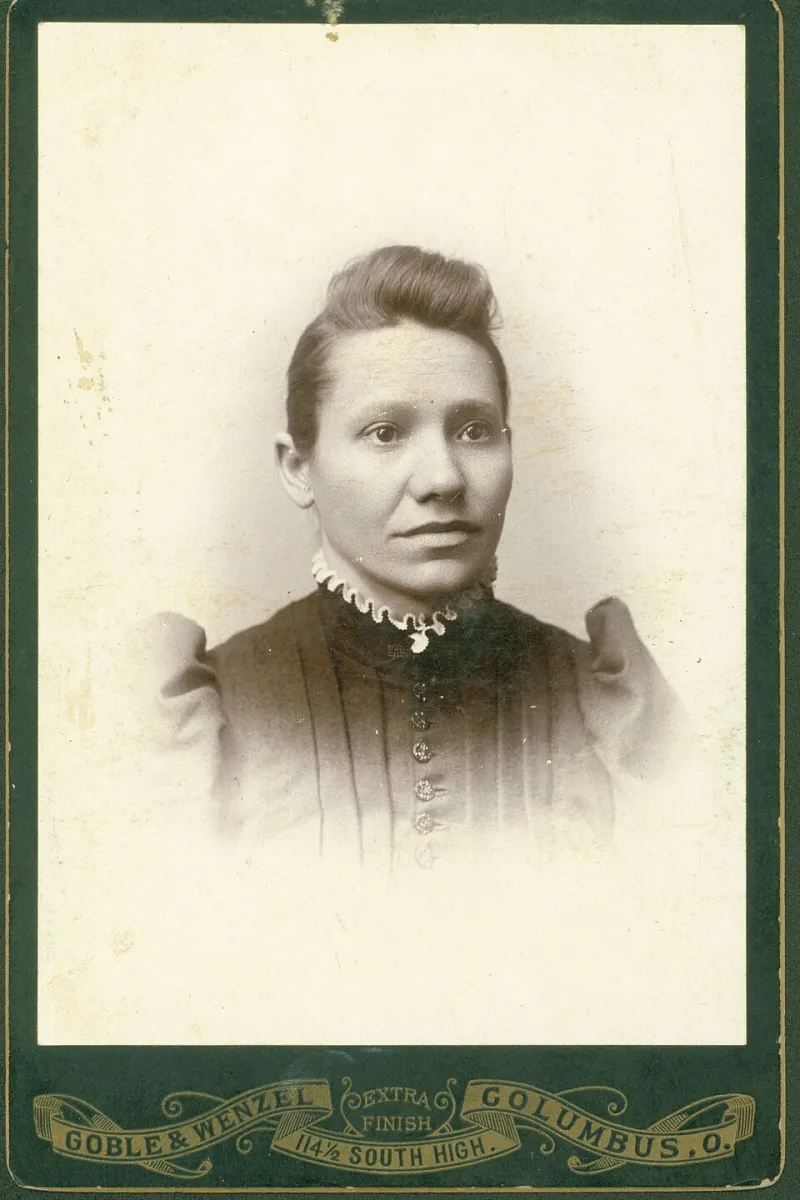
Stand collars (the high, mandarin-style neckline) add structure and a hint of formality. They're doing quiet gothic work even in white, which makes them the sleeper pick for ouji and classic coords alike.
Square necklines lean vintage-Americana in the best way. They pair beautifully with gingham and tartan prints, and they give a retro feel that rounded collars can't touch.
Sailor collars are the wildcard. Done well, they read schoolgirl-charming; done carelessly, they can tip into costume. If you're new, save these for coords that already have a playful theme.
One rule of thumb: the busier your dress's neckline detail (ribbons, ruffles, high neck lace), the simpler your blouse collar should be. Let one element win.
Sleeves: The Unsung Silhouette Engineers
Sleeve length changes the proportions of a coord, not just its coverage.
Short puff sleeves keep the silhouette round and youthful — they echo the bell of your petticoat. Long fitted sleeves, especially with cuffs, elongate the arm line and pull everything toward elegance. Three-quarter sleeves are the unsung hero of transitional weather, which anyone who's dressed for a Midwest October understands deeply.
And sleeve volume matters as much as length. A dramatic gigot sleeve turns a simple solid JSK into a statement coord. A slim sleeve lets a bold print breathe. If your dress is loud, quiet down the arms. If your dress is plain, the sleeves can carry the show.
Fabric Weight Is the Difference Between Crisp and Crumpled
Here's the thing nobody tells beginners: a cheap blouse in flimsy cotton-poly will wrinkle by the time you've parked the car, and no amount of petticoat can save a coord whose base layer has given up.
Look for cotton poplin or broadcloth for crisp, structured looks — they hold a collar's shape all day. Cotton lawn is softer and slightly sheer-adjacent, lovely for summer coords in the South where breathability is a survival issue. A touch of lace or chiffon overlay adds romance but demands a camisole underneath unless you're feeling brave.
And check the opacity in sunlight. Nothing outs you faster in a Target parking lot than a blouse that turns translucent at noon.
One Dress, Three Coords: A Visual Breakdown
Let's prove the point. Take a mid-length solid burgundy JSK — classic cut, front bow, nothing wild. Now watch what the blouse alone does:
Look 1 — The Storybook: White Peter Pan collar blouse, short puffed sleeves, cream wrist cuffs, a pearl necklace tucked under the collar. The burgundy suddenly reads sweet and slightly vintage, like a library card catalog made flesh.
Look 2 — The Gothic Pivot: Same JSK, now over a black high-neck blouse with long fitted sleeves and lace at the wrists. Add a black headdress and the whole coord shifts gothic-adjacent without changing a single dress element.
Look 3 — The Country Casual: Swap in an ivory blouse with a square neckline and three-quarter sleeves, roll the JSK's waistbow into a side bow, add a straw hat. Suddenly you're at a farmers market in Vermont, not a ball.
Three blouses. One dress. Three completely different people. That's the power we're talking about.
Where to Actually Get Good Blouses in the US
Import: Taobao via a shopping service remains the budget-friendly route for dedicated Lolita blouses — brands like Surface Spell and various indie taobao shops offer collar variety you won't find stateside. Budget six to ten weeks and read measurements like a legal contract.
Sew: Japanese pattern books (the same ones we've recommended before) include blouse patterns that are genuinely beginner-adjacent. A simple fitted blouse is often easier than a dress, and you control every fabric choice.
Thrift: The men's and women's sections at Goodwill are full of stand-collar and Victorian-adjacent blouses hiding in plain sight. Hunt for natural fibers, working buttons, and sleeves with enough room for arm mobility. A $6 blouse with a great collar beats a $60 one that fits badly.
Mainstream retail: ModCloth-adjacent brands and even some mall retailers occasionally produce square-neck and puff-sleeve blouses that slot into coords seamlessly. Check the fiber content before you buy.
Your Homework
Next time a coord feels off but you can't name why, don't reach for new accessories. Look down at your own collar first. Chances are the blouse is doing exactly what you told it to — you just haven't told it anything yet.
The dress gets the compliments. The blouse earns them.